 Loading... Please wait...


Farmington River Report
- Home
- Farmington River Report
- Monday 8/31/26 Farmington River Report: Blue Winged Olives & Flying Ants
Posted on 31st Aug 2026
Monday 8/31/26 Farmington River Report: Blue Winged Olives & Flying Ants
New Hours:
Monday to Friday 8am-6pm. Saturday & Sunday 8am-5pm. This will be our schedule through the end of the summer.
News: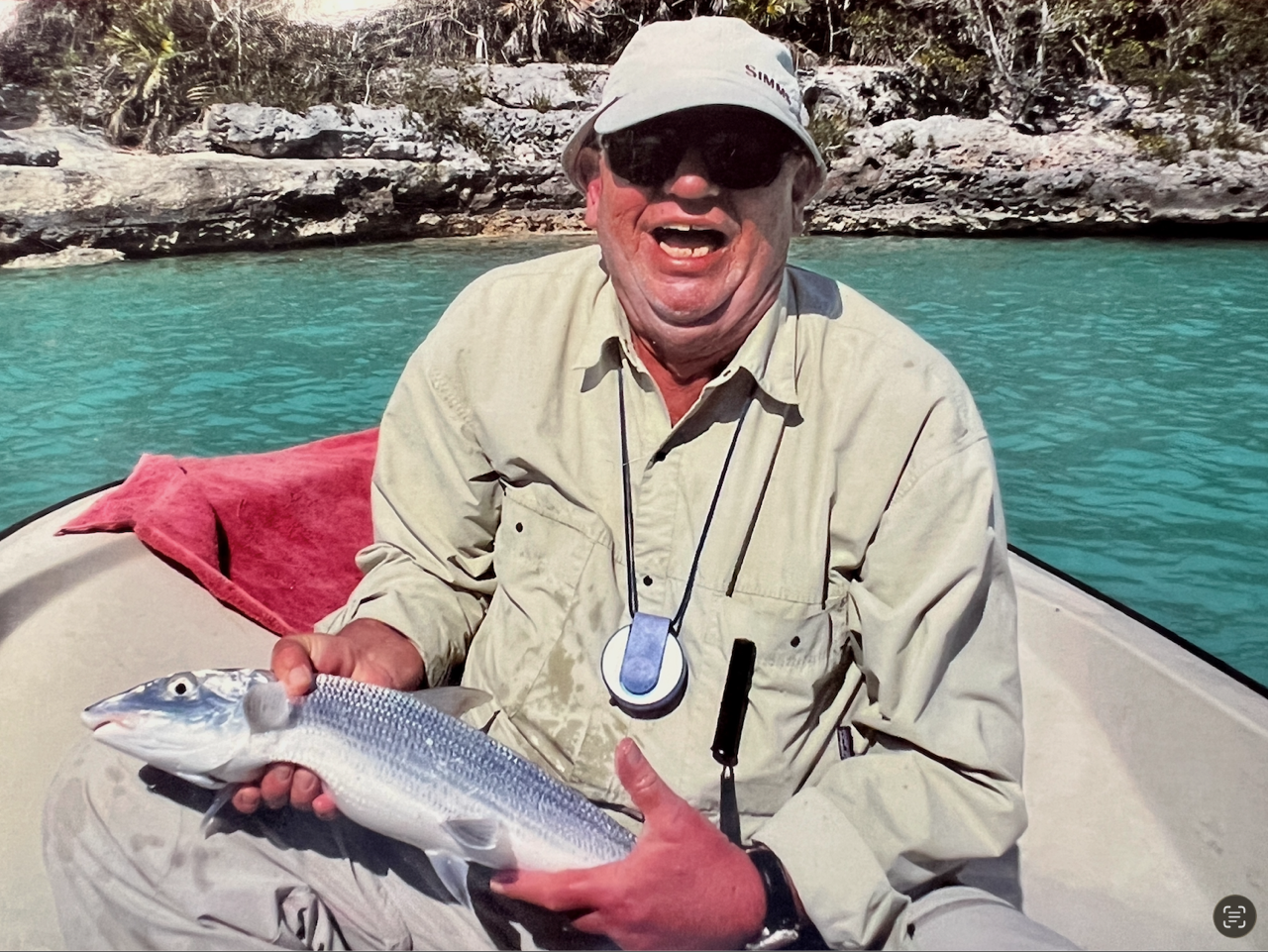
Longtime UpCountry employee Don Butler passed away this summer, and Grady wrote a nice tribute piece on our blog. Click here for a link to this post.
The entire upper 21 miles from the dam in Riverton down to the Rt. 177 bridge in Unionville goes Catch & Release tomorrow, Tuesday 9/1 through the 2nd Saturday in April 2027.
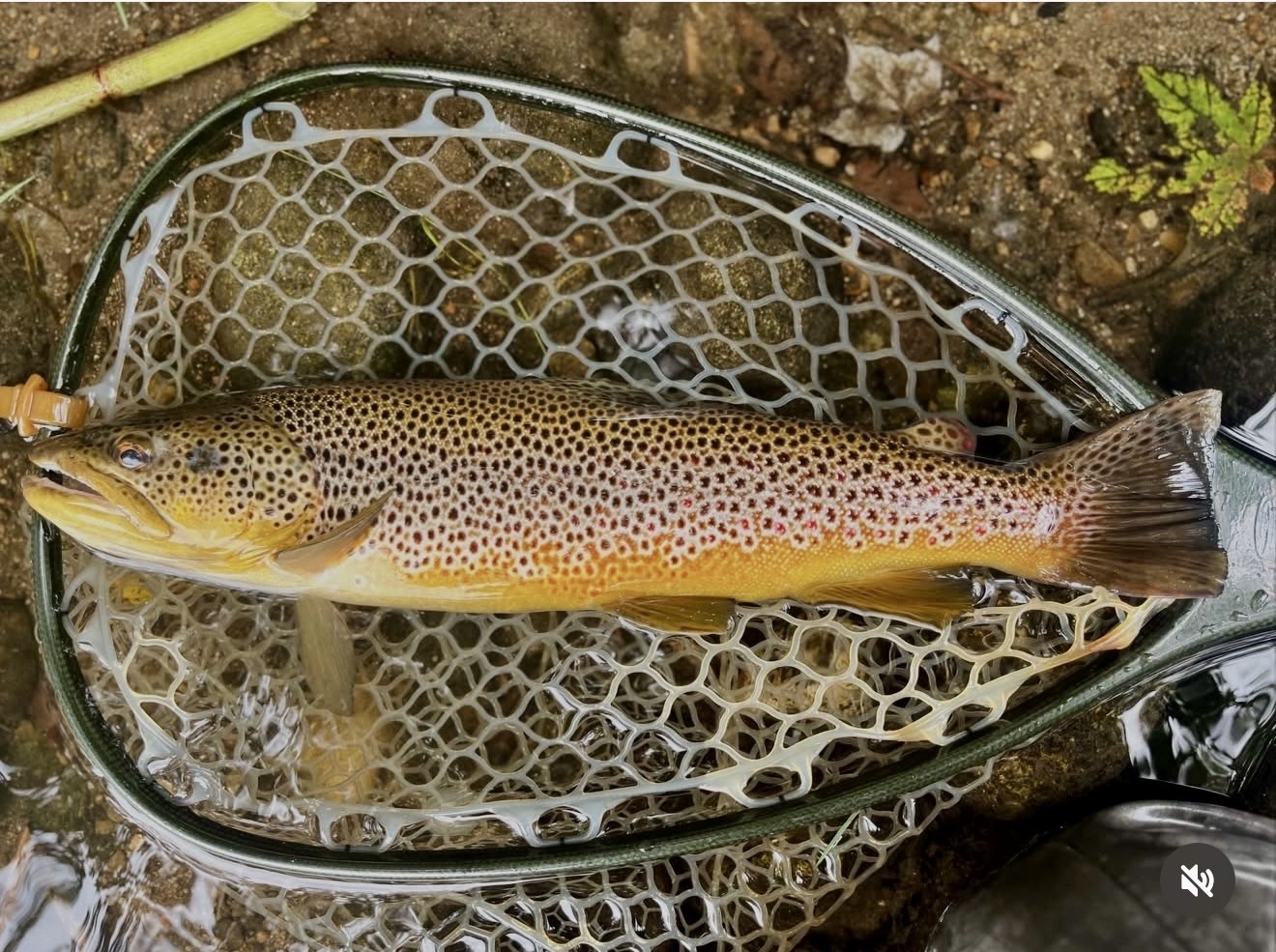
Pictured up top is a perfect Farmington River brown trout that Brent M. nymphed up on Sunday, it looks wild to my eyes (always an educated guess). The spotting patterns on browns are like fingerprints, every fish is unique. This one has a LOT of spots on it!
For more fish photos, store announcements and river news visit our Facebook page.
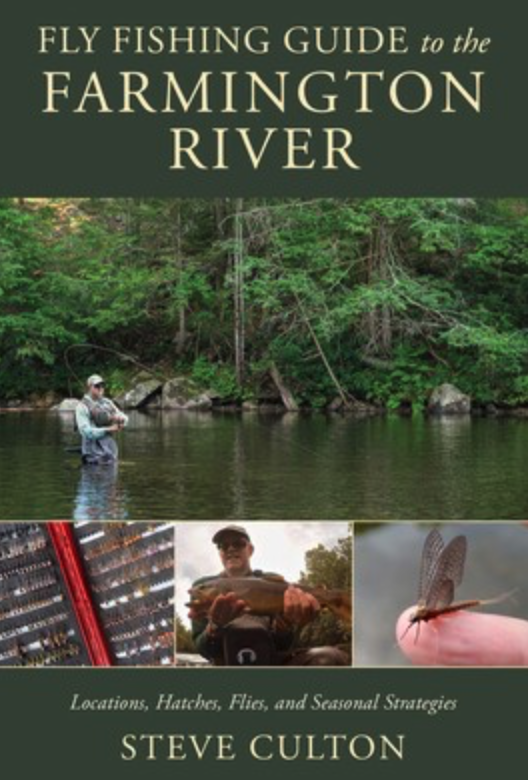 Steve Culton's brand new book "Fly Fishing the Farmington River" is out now, and it is fantastic. The book contains detailed information on the river, from the Hogback Dam in Riverton down to Tariffville Gorge. There is an updated hatch chart, new fishing locations, specific techniques and strategies for the Farmington, suggested fly patterns, plus detailed info from guides & river regulars. We have of plenty of books in stock available in the shop and in our online store here:
https://www.farmingtonriver.com/fly-fishing-guide-to-fishing-the-farmington-river-by-steve-culton/
We will match most advertised deals and sales from other stores, local or on the internet. We want your business, and as your friends and local fly shop please come to us first if we can help. Our business only survives because of your support.
An Orvis rod & Lamson reel was lost near the Ovation/Hurley Building recently, please turn it in at UpCountry if you found it, or give us a call so we can reunite it with its owner. We also have a fly box that was turned in.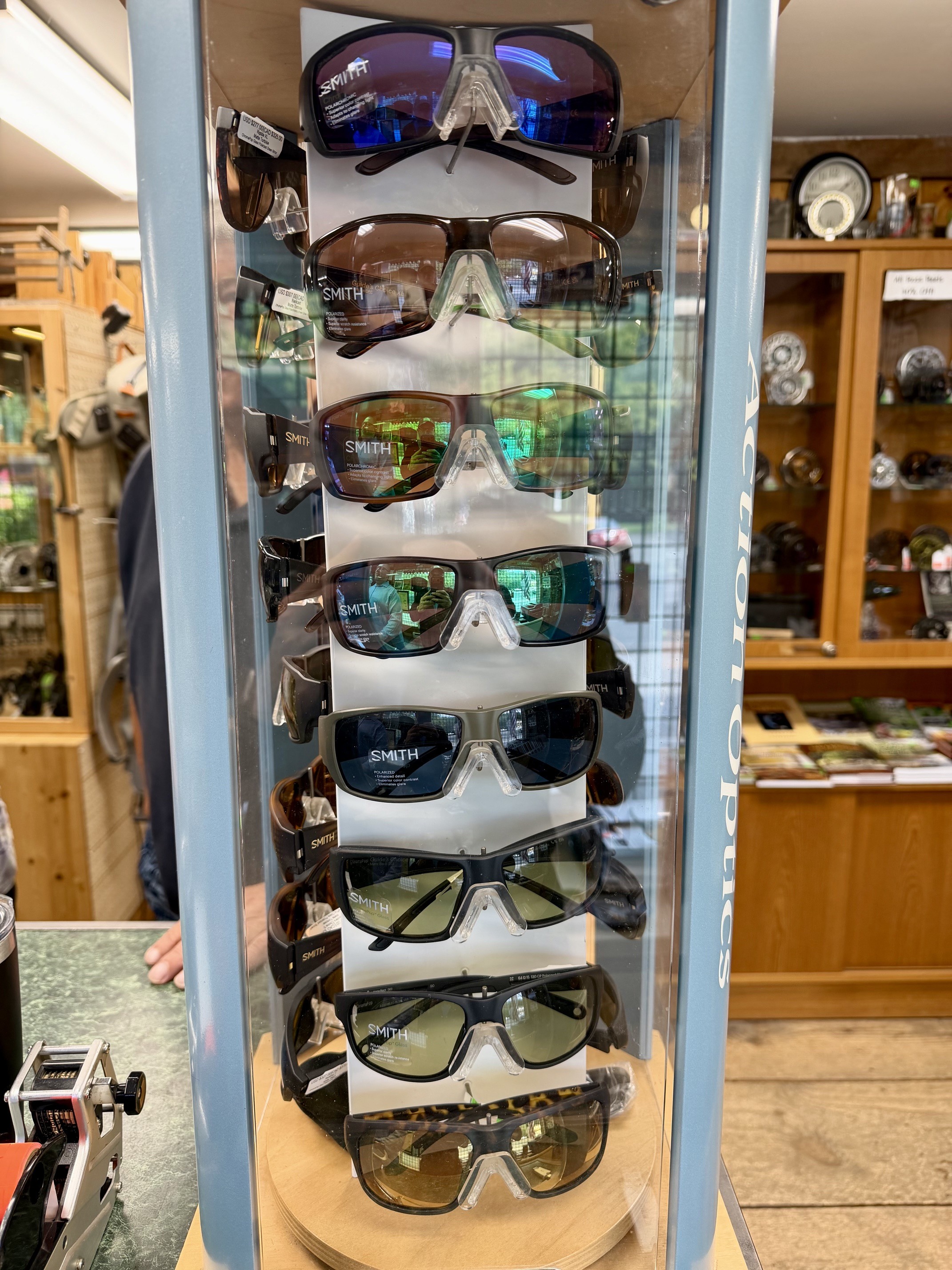 We are fully restocked on Smith sunglasses, and we are doing 10% off on Smith this week though 9/3, for instore customers only. Some great new styles and lenses in the case.
River Report:
Nice hatch of #20-24 Blue Winged Olives late yesterday afternoon into the evening, with plenty of trout rising. It's been a good summer here for dry fly fishing. #10-12 Isonychia, #16-22 assorted Caddis, #24 Tricos, #16-18 Hebe's (Yellow Quill/Fall Sulphur), #16-24 Flying Ants, #12-14 Summer Stenos/Cahills, #18-24 Summer/Winter Caddis are all possibilities. Iso's (Isnonychia) are great because they are a big Mayfly and they can be blind-fished in the fast water, even if nothing is rising. Don't forget about terrestrials like beetles & ants. If you are nymphing in late summer/early fall, usually that means go small, as in #18-22. Exceptions include big Stoneflies #8-10 in the mornings, and #12 Iso nymphs in the afternoons/eves. Try mousing after dark with a short leader and heavy tippet to target trophy browns.
We received a little less than 1/2" of rain overnight, water levels are virtually unchanged- more rain is in the forecast for this afternoon through Thursday. The total flow below the Still River in the Permanent TMA/Catch & Release is an excellent 227cfs, a statistically normal flow for late August/early September and a medium-low level. It's 213cfs at the Rt 20 bridge in Riverton, and a little below that the Still River is adding in 21cfs. The water temperature in Riverton above the Still River is running in the low 50's, and New Hartford is mid 50's to low 60's. All this means you can fish down to New Hartford and even Canton- You don't need to migrate upstream in the afternoon to stay in cold water. These are fantastic late summer conditions. Kudos to the CT DEEP for being conservative with their water management and keeping the river cold and keeping water in the river. As we get into the second half of September and daytime highs starting averaging mid/upper 60's and night consistently get cold (50's and even upper 40's), the lower river in Collinsville, Unionville, and Farmington will be back in play. You're looking for water temps below 68 degrees, and ideally 65 degrees or less. Bring a thermometer!
Lots of happy anglers walking through out doors, and there has been very good dry fly action, albeit it can be technical at moments. Trout fishing remains solid, with fish being caught on dries, nymphs, wet flies/soft hackles, streamers, and mouse patterns at night. Make sure you have Flying Ants with you. There have been a mix of sizes from #16's to #24's. Typically a mid/late afternoon to evening deal. Make sure you match the size, or you may be highly frustrated. Trout love ants and will often key on them to exclusion of anything else. The ideal scenario for flying ants is a humid day with a little rain the day before to get them to do a mating swarm.
You will often find trout rising in the fast water to Caddis & Isonychia between late afternoon and dusk. You can even blind fish the Iso's even when trout are not rising, they are used to seeing them and are constantly on the lookout. Iso's start here in June and go through October and even into November - they slowly get smaller as the season progresses. Right now they are mostly #10-12, and by October they will average a #14 and have a more olivish cast to them. There are plenty of trout being caught on the surface by matching the hatches throughout the day, plus pitching terrestrials (ants, beetles), or even tossing attractor drys on fast water (Chubby Chernobyls, Stimulators). Blind fishing ants & beetles is highly underrated this time of year.
Summer & early fall usually means mostly smaller nymphs in the #18-22 range- ging smaller can be the difference between a rough day or one filled with fish. The main exceptions are #12 Isonychia from mid afternoon through the evenings, and first light to about 10am with big #8-10 Stoneflies. Ideally I'd use 5x for bigger nymphs, and 6x for the others. Nymphs can be fished Euro style, with an Indicator, or underneath a buoyant/visible dry fly (Dry/Dropper). Focus on the faster, broken water, look for current breaks and structure. If you can find shaded water on sunny days, even better.
There are morning Trico hatches & spinner falls on most of the river. The main event with Tricos is the spinner fall, which happens in the mornings at an air temp of approximately 68 degrees. The spinners will often form a literal ball in the air over the riffles right before they drop and fall to the water. During hot weather, it can happen as early as first light. When you have truly cold nights with cool air in the mornings, I've seen it happen as late as 10am. Tricos average a #24, and require a long leader 12' plus, with a long tippet of 7x (the longer the better).
Current hatches include Tricos #22-26, Isonychia #10-14, small Blue Winged Olives #18-24, Rusty Spinners #12-24, Cahills/Summer Steno’s #12-16, Hebe's #16-18 ("Little Yellow Quill"), Yellow Sally #14-20, and Caddis #16-22 (tan, black). Morning bugs include Tricos #22-26, Summer/Winter Caddis #18-24, Needhami Duns & Spinner #22-26, and Tan Caddis #18. Dry/Dropper combinations are working well for many anglers. Try an Isonychia Comparadun/Sparkle Dun trailed by a tiny nymph like #18-20 Baetis or a Zebra Midge to catch trout in fast water, or a Caddis dry trailing a Caddis pupa.
Hatches:
Dries:
-Tricos #22-26: the main event for this morning hatch is the spinner fall, which normally happens when the air temps hit 68 degrees.
-Isonychia #10-12: Fast water bug, usually about 4pm to dark. Can also be on the water in the late mornings/early afternoons sometimes. Even if you don't see any hatching and no trout are rising, you can successfully blind-fish these in riffly water that you would normally nymph.
-Hebe #16-18 (Little Yellow Quill): a dull yellow Sulfur-type mayfly we see in August/September in the late afternoon & evenings. Standard Sulfur patterns will work for this hatch.
-Assorted Caddis (tan, olive/green #16-20, black, gray #18-22)
-Beetles & Ants #12-20: great option from late morning to early evenings, especially when bugs are not hatching
-Blue Winged Olives/BWO’s #18-24: afternoon hatch on cloudy days, also on the water later in the day when the sun goes off the water. Don’t sleep on #18-22 rusty spinners at dusk.
-Yellow Sally #14-20: hatches in August & September. It's a smaller Stonefly that lives in fast water, looks like a miniature Golden Stone
-Needhami #22-26: mornings, spinners & duns
-Light Cahill/Summer Steno #12-16: evenings
-Summer/Winter Caddis #18-24: hatch is typically early to mid morning. Trout focus on the pupa first, and then as the morning progresses they normally switch to the winged adults when they return to egg-lay. Try both twitching & dead-drifting your fly, trout often key on movement with this bug.
-Midges #20-28: 365 days a year
Nymphs:
-Caddis Pupa #16-18 (tan, olive/green)
-Caddis Larva (olive to green) #14-16: tons of these in the river, good all year
-Pheasant Tails/Frenchies #12-22: imitates a wide range of Mayflies including Sulfurs, Vitreus, Hebe's (Yellow Quill), Baetis/Blue Winged Olives, Isonychia, small Stoneflies, Hendricksons, and more
-Walt's Worms #14-20: great general purpose nymph that suggests many different bugs, especially Caddis on this river.
-Isonychia Nymph #10-12: dead-drift, swing, twitch, and even strip them in. They are great swimmers, and some days trout prefer different presentations- you won't know until you experiment. Dead-drift, swing, twitch, and strip the nymphs. Use BMAR Iso, and also large Princes & Pheasant Tails.
-Baetis/BWO Nymphs #16-22
-Yellow Sally #14-18: small Stonefly that looks like a miniature Golden Stone. Lives under rocks in fast water.
-”Junk Flies” (Eggs, Mops, Squirmy/San Juan Worms, Green Weenies): Often work when standard nymphs fail, especially when there aren’t many hatches.
-Stonefly Nymphs #8-10: golden/yellow, brown, black, Stoneflies are a mouthful that can be hard for trout to pass up, and there are a surprising amount of them in the river. Good choice when flows are up. Some days when trout won’t move for a small nymph, it takes a bigger bite of food to get an eat. Often catches larger than average fish. Best in early morning during summer. Look for the empty shucks on top of rocks where they crawl out to emerge in fast water.
-Midges #18-22 (black, olive, red): Zebra Midge, Flash Midge, Red Iris Midge, etc.
Streamers:
-Periods of higher/dirty water are a great time to fish big streamers and target big trout. Also early & late in the day during periods of low light. They are a good clean-up fly to try before right before you leave a spot.
-Woolly Bugger #4-12: assorted colors, try also Don's Peach Bugger
-Zonker #4-6: a classic fish catcher! In white, natural
-BMAR Yellow Matuka #6: deadly fly! Also standard Matuka in olive, brown
-Zuddler #4-6: olive, brown, white, black, yellow-
-Articulated Streamers 4-6" long: various patterns to target the biggest trout in the river
-Muddler Minnow #6-10: and old classic that is still deadly
___________________
If you like our fishing report, please consider buying your gear from us. We generally ship the same day, for free anywhere in the country for all orders over $75. We ship small orders via mail or UPS for a small cost. Our shop can only exist with your patronage.
UpCountry Sportfishing is always looking for good used fly fishing gear for cash and trade. This is how we get those great items you list on our website and you see on our racks. We buy fly rods, fly reels, quality classic bamboo, and fly tying equipment etc. Bring in your old items and we can help turn them into something new. We give more for trade ins than anywhere else. Call ahead for an appointment.
Recent Posts
- » Monday 8/31/26 Farmington River Report: Blue Winged Olives & Flying Ants
- » Thursday 8/27/26 Farmington River Report: Flying Ants & Great Conditions
- » Monday 8/24/26 Farmington River Report: Afternoon Flow Update
- » A Tribute to the Fish Fox - Don Butler
- » Thursday 8/20/26 Farmington River Report: Steve Culton's Farmington Book Signing Saturday.
- |860-379-1952|
- Info@farmingtonriver.com
- |
- Directions
- |
- Copyright© 2026 Upcountry Sportfishing|
- Site design by
 tyelus|